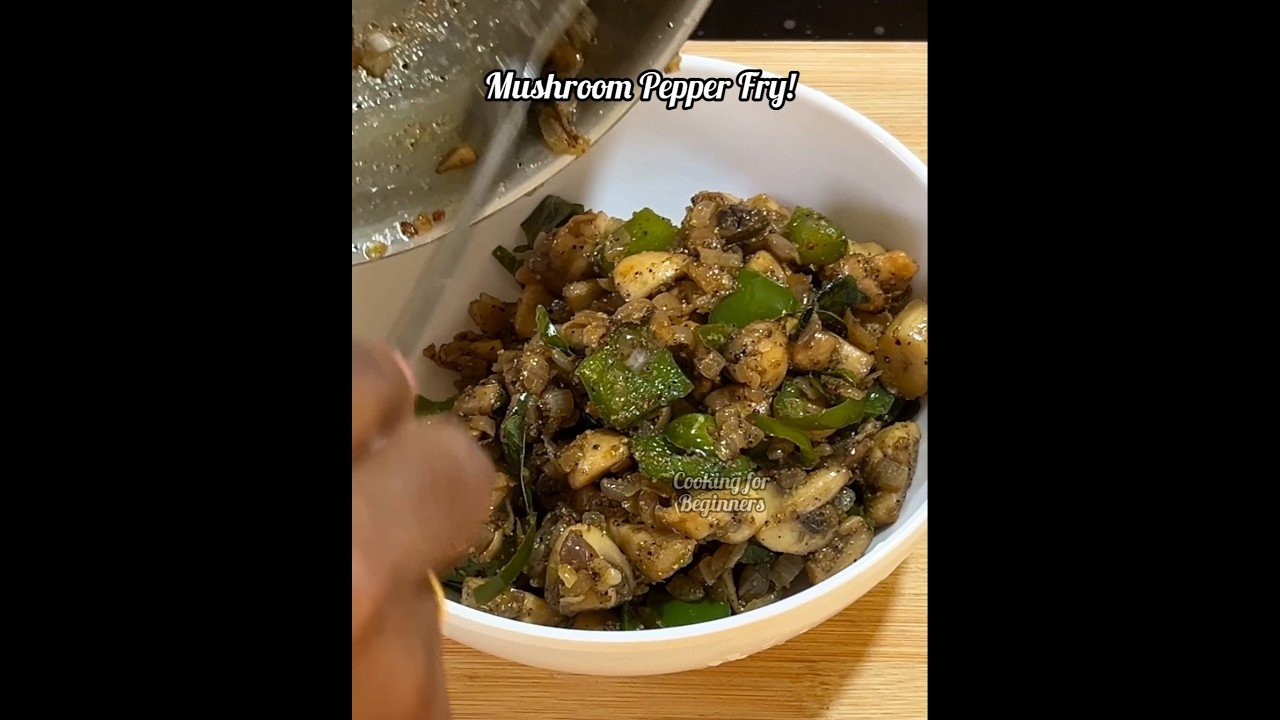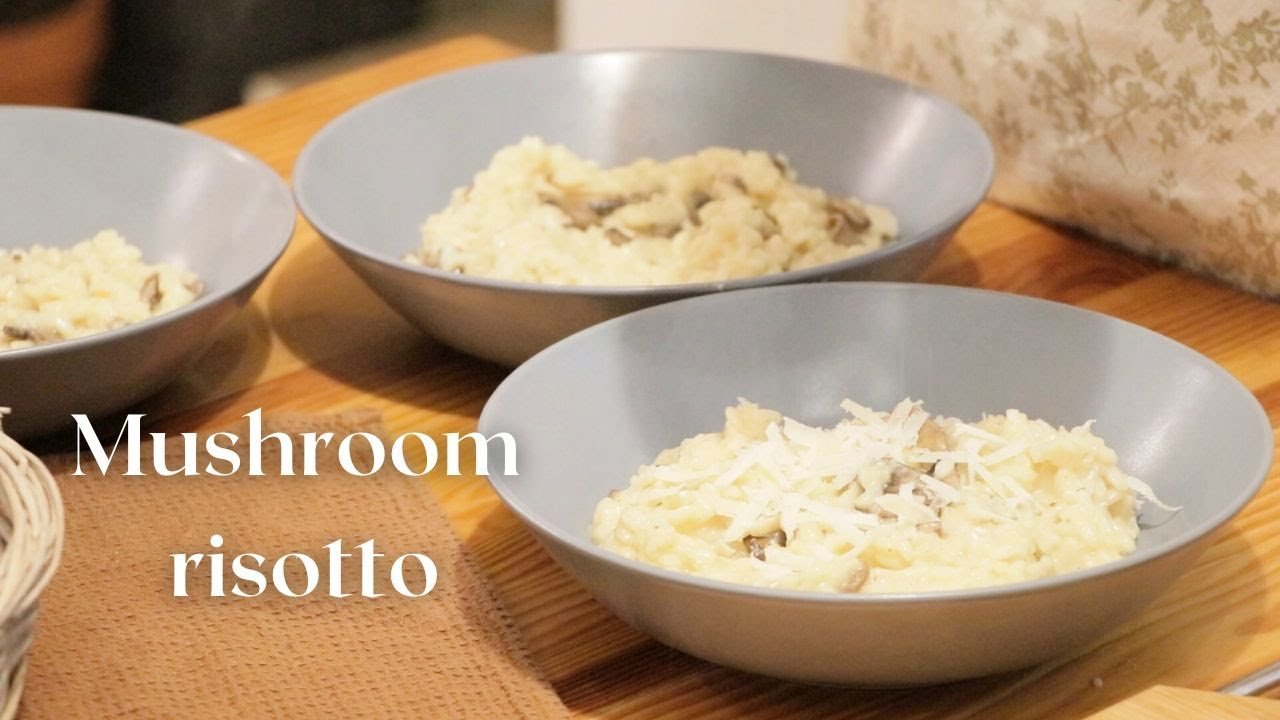
Ciao belli!! This is one of your family classic! Everybody loves it! Anytime of the day or year I prepare it! It is ideal meal for any …
source
Category: Blog
Your blog category

Classic Mushroom Risotto Recipe! Great idea for lunch and dinner anytime!

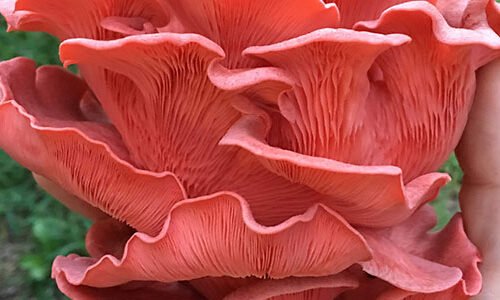
Pink Oyster – (Pleurotus djamor) • Meet the Mushrooms
I love Mushroom Mountain, and their products. I tried the lion’s mane fruiting kit, it did so well, that I purchased the pink oyster kit as well. They aren’t kidding about the color of the pink oyster. It was so bright and rich. I soaked the mushrooms in milk for a few hours, and then breaded them and friend them. I don’t think I will cook these mushrooms any other way from now on. They were delicious dipped in some aioli.
23 Snow Day Recipes to Warm You From the Inside Out
When a blizzard hits, there’s only one thing to do: Stay inside, cozy up, and cook. Including hearty soups and stews, comforting baked goods, and steaming drinks, these snow day recipes are perfect for warming up your home (and your belly) when the world outside is frozen solid.
Hunker down with long-braised meats, cheesy pastas, and sweet treats like giant cinnamon rolls and sticky toffee pudding. Sip on a chocolaty chai or a warming bourbon hot toddy, and enjoy the view from your window, no matter how many inches fall outside. Whether you’re feeding a family or just yourself, this collection of recipes has all the cozy winter comfort you could possibly want.

Forget kimchi and kefir – these are the everyday foods that are good for your gut
Find out more about what causes bloating, plus the gut health trends that aren’t worth your time and all the questions you’d want to ask a gut health expert.
If you’ve ever tried to love kombucha and failed, or stared at a jar of fermenting cabbage wondering where it all went wrong, you’re not alone. Gut health has become associated with the idea that you must be on a probiotic supplement, and that eating kilos of kimchi and kefir is the only way to improve the state of your gut. This focus became associated with sour flavours, complicated ferment-at-home DIY projects, and foods that can sometimes feel more like a challenge than a pleasure.
The good news is that you don’t need to force yourself to eat things you actively dislike in the name of your microbiome. Some of the most helpful foods for gut health are already sitting in your kitchen or fridge. Consider your morning coffee ritual and the extra virgin olive oil you use.
Before we get into specifics, a quick refresher. Your gut microbiome is the collection of trillions of bacteria living in your digestive tract. These microbes help digest food, support the immune system, influence inflammation, and communicate with the brain. Find out more here.
So instead of chasing the latest fermented trend, here are some everyday foods that genuinely support gut health, without you having to overhaul your life or your taste buds.

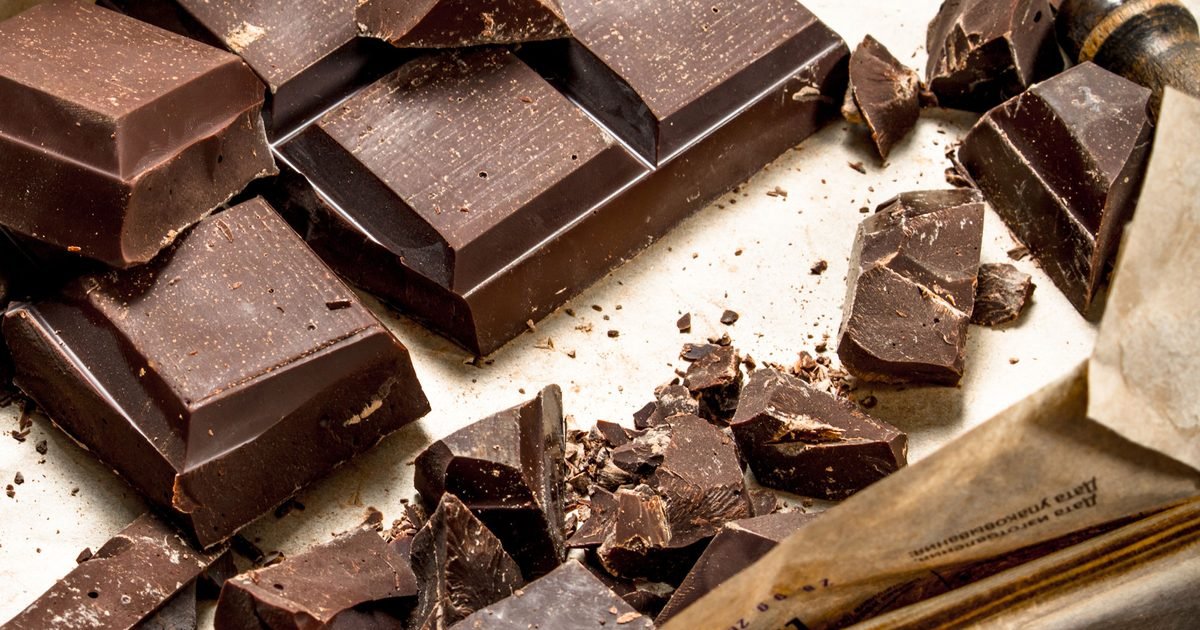
Chocolate (yes, really)
Chocolate lovers, take heart: dark chocolate can be good for your gut. Cocoa, the key ingredient in dark chocolate, is rich in polyphenols – plant compounds that largely survive the digestive process and reach the colon intact, where they’re metabolised by gut bacteria. Scientific studies have found that these cocoa polyphenols increase levels of beneficial bacteria such as Lactobacillus and Bifidobacterium, while helping to reduce populations of potentially harmful species. Not only does this microbial shift benefit digestion, it’s also associated with reduced inflammation in the body.
The key to finding polyphenol-packed bars is choosing a dark chocolate with a high cocoa content, ideally 70 percent or more. Sugar-heavy milk chocolate does not have the same effect, and portion size still matters. A couple of squares is enough to give your gut something to work with as well as your cravings!
Coffee
Coffee’s relationship with health has been debated for decades, but when it comes to gut health, the evidence is surprisingly positive. Coffee is one of the largest sources of polyphenols in many diets.
Interestingly, both caffeinated and decaffeinated coffee appear to offer similar benefits, suggesting that the plant compounds in coffee, rather than the caffeine itself, are responsible. If coffee agrees with your digestion, your daily cup could be a simple way to support your gut microbiome.
Cheese
Cheese is often overlooked in gut health discussions, but many types are fermented and contain live bacteria and bioactive compounds created during the aging process. Aged cheeses like feta, cheddar, gouda and parmesan are also naturally lower in lactose, which makes them easier to digest for many people.
Not all cheeses contain live cultures by the time they reach your plate however, but as part of a varied diet, cheese doesn’t undermine gut health in the way it’s sometimes assumed to.
Pickles (the fermented kind)
Pickles preserved in vinegar are tasty, but they don’t offer much in terms of microbiome benefits. However, traditionally fermented pickles, made with a salt brine and time contain live lactic acid bacteria. Eating fermented vegetables regularly can help support a balanced gut microbiome. You don’t need to eat large amounts; small servings alongside meals are effective, and variety matters more than volume.
Wine
Red wine contains high levels of polyphenols from grape skins, which reach the gut and interact with bacteria. A large study found that a cheeky small glass of red can produce greater gut microbiome diversity compared with non-drinkers and those who drank other types of alcohol. But the researchers were very clear that moderation is essential. Alcohol is a gut irritant which could cause undesirable symptoms. Excess alcohol damages the gut lining and disrupts beneficial bacteria. The purpose of this is to reassure those who drink moderately, rather than to promote increased alcohol consumption.
Oats
Oats are rich in beta-glucan, a soluble fibre that acts as a prebiotic. Prebiotics are the food that beneficial gut bacteria thrive on. They also support the production of short-chain fatty acids, which help maintain the gut barrier and increase beneficial bacterial populations and improve markers of gut health.
Porridge, overnight oats, granola, oat-based cereals and breads all count, making oats one of the simplest gut-friendly foods to eat regularly.
Potatoes (especially cooled)
When potatoes are cooked and cooled, they form resistant starch, which resists digestion and reaches the colon intact. There, it becomes food for gut bacteria.
Cold potato salads or leftover potatoes reheated contain resistant starch. It’s a small change that can make a meaningful difference.
Nuts and seeds
Nuts and seeds are a great source of fibre, polyphenols and healthy fats, all of which are important for gut microbial diversity. Just a small handful every day can contribute to a healthier gut over time. Almonds and walnuts have shown to have positive effects on the gut microbiome and inflammation markers.
Olive oil
Olive oil is often praised for its heart health benefits, but its virtues extend to the gut as well. Extra virgin olive oil is rich in polyphenols, particularly compounds like oleuropein and hydroxytyrosol, which interact directly with the gut microbiome. Mediterranean diets rich in extra virgin olive oil have been shown to increase levels of beneficial gut bacteria while reducing inflammation compared to diets higher in saturated fats. Olive oil polyphenols also act as prebiotics, selectively stimulating good bacteria and supporting gut barrier function.
Not all olive oils are equal – extra virgin varieties contain significantly more polyphenols than refined oils, which lose many of these compounds during processing. How you store olive oil also matters: heat, light, and time degrade its polyphenol content. To maximise benefits, choose high-quality extra virgin olive oil, use it daily, and drizzle it over vegetables, salads, soups or grains. Consistency is more important than quantity for gut-friendly foods.
The bottom line
Ultimately, supporting gut health doesn’t depend on consuming one specific superfood or supplement. The most compelling evidence points to dietary variety, especially plant diversity, as the key factor in maintaining a robust microbiome. You don’t have to eat perfectly or ferment your own vegetables to reap the benefits. Simply enjoying a wide range of foods you like, regularly and without stress, is far more effective.
If your daily routine includes oats for breakfast, nuts and seeds as snacks, coffee in the morning, and a square of dark chocolate in the evening, your gut is likely thriving. Just remember that regular exercise, managing stress, and getting enough sleep are also important for overall gut health. This approach is much easier to sustain than keeping a jar of bubbling cabbage on your kitchen counter, and quite possibly a bit more enjoyable.
More wellbeing guides
Can your diet improve your mental health?
‘I’m a nutritionist: this is what I eat in a day’
10 stress-busting foods to help you keep your chill
9 foods to boost your brainpower
30 ways to include 30 plant foods in your dietChinese New Year menu | Good Food
Lunar New Year’s Day is often regarded as an opportunity for family and friends to get together and share a home-cooked meal, so celebrate at home with our easy menu that’s full of flavour, but won’t take hours to make. Sample hot & sour soup, followed by ginger & garlic spiced chicken and mouth-watering toffee bananas to finish.
Get even more inspiration from our Lunar New Year recipes and our family Lunar New Year recipes.
When is Lunar New Year?
Lunar New Year 2025, marking the Year of the Horse, commences on the 17 February. This festive occasion derives its name from the lunar calendar, as the celebration dates align with the phases of the moon.
Starter: Hot & sour prawn & sweetcorn soup
In order to get the most flavourful broth, use the stock from the poached chicken in your main course to form the base of the soup. If you’re short of time, just use fresh chicken stock. Traditionally, this soup gets its heat from ground white pepper and is thickened with cornflour, but we used chilli for heat and Chinese black rice vinegar for an irresistible tang. Spend just 20 minutes making our hot & sour prawn & sweetcorn soup, then ladle into bowls and top with strips of crunchy spring onion.
Starter: Shanghainese quickbraise Hong Sao-style lion’s head meatballs
Not traditionally a Lunar New Year food, but the roundness of the meatballs can be symbolic for a ‘well-rounded’ year. The reddish Hong Sao (red-braised Chinese sauce) oozes the lucky red symbolism. Recipe writer Ching-He Huang says, “My grandmother used to say that eating lion’s head meatballs will make us as strong as lions, a personal family favourite saying.” The traditional Shanghainese meatballs are quite large, as big as a fist, but you can make smaller ones, if you like. You can also pre-cook and freeze the meatballs, just give them a quick braise in the red sauce before serving.
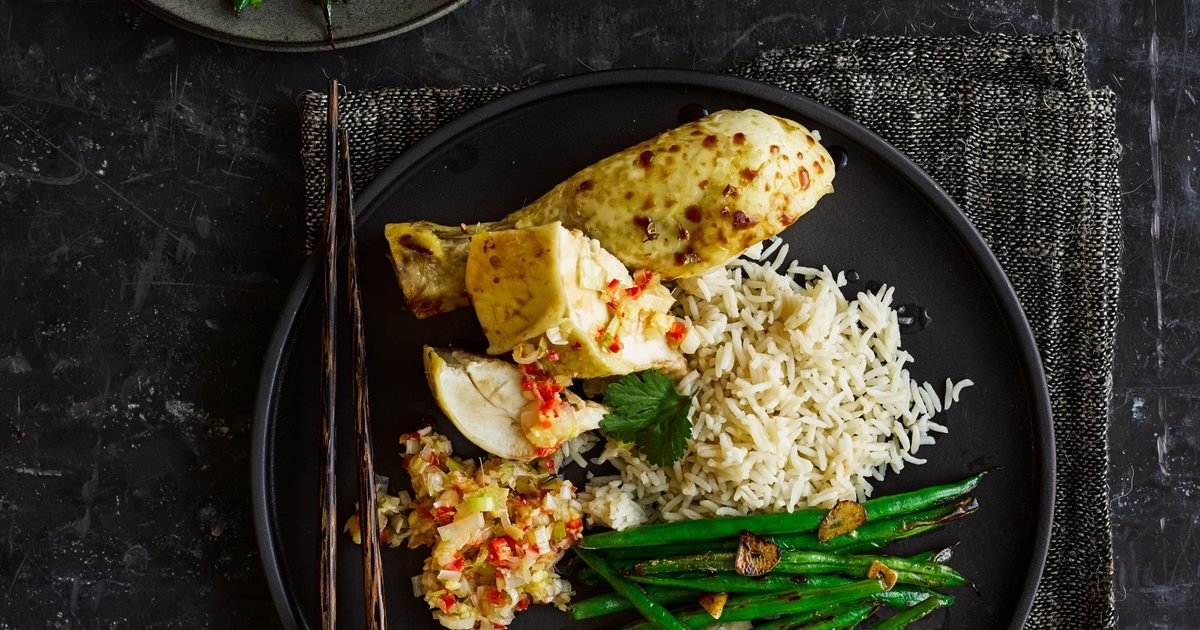
Main: One-pot crystal chicken with ginger & chicken oil
Onto the main event: our one-pot crystal chicken with soy sauce, rice wine and a sprinkling of Sichuan pepper is deliciously moist with terrific depth of flavour. Opt for the traditional method of poaching the chicken, or put your pressure cooker to work for a speedy 20-minute dish. Drizzle over some ginger and chilli oil to bring some zing to the dish.
Main: Steamed sea bass with wok-fried bacon lardons, chestnuts & dried Chinese mushrooms
At Lunar New Year, “Nian nian you yu” is symbolic phrase that translates to: “Every year you will have abundance.” The Mandarin word for ‘fish’ (yu) is a homonym for ‘abundance’ (yu), so a whole fish is usually served to symbolise unity and completeness, while the red-coloured chillies bring luck. Use any fish of your choice – cod fillets work well, or use frozen fish – just follow the pack instructions to ensure it is cooked through.
Main: Chinese hotpot
Fill a cooking pot with a Sichuan pepper and chilli-spiced broth, then invite guests to poach their choice of ingredients in it – prawns, steak and chicken all work well. You can also serve your hotpot with tofu for a meat-free option.
Side dish: Stir-fried garlic green beans
Everyone needs a helping of greens on the side, especially when they taste this good. Our simple stir-fried garlic grean beans make a vibrant, healthy accompaniment to a rich and indulgent feast. Throw together four key ingredients, including oyster sauce, and in 15 minutes you’ll have a wholesome addition for the dinner table.
Side dish: Golden egg & onion fried rice
The golden colour of the scrambled egg and wok-charred onion is said to bring wealth for the new year. For a simple yet punchy addition, drizzle crispy chilli oil on top. This is a great side dish to serve with the rest of the feast.
Side dish: Seasonal ‘wealth greens’ (‘Fa cai’)
‘Cai’ is the Mandarin word for ‘vegetables’, but it is also a homonym for ‘prosperity’ and is used in the popular Lunar New Year greeting ‘Gong xi fa cai’, or ‘Congratulations on your wealth!’ This recipe uses red chard, which is sustainable, full of nutrients and shows off the lucky colour, red.
Dessert: Toffee & sesame bananas
Every decadent dinner needs a suitably stunning dessert. Our toffee & sesame bananas are a sweet, sticky taste sensation. Griddle your bananas with light brown sugar until caramelised, then spoon over your speedy homemade caramel and add a dollop of classic vanilla ice cream for good measure. You can even prep the sauce ahead of time for a really relaxed evening of entertaining. What’s not to love?
Dessert: Tanghulu
Try this classic Chinese dessert of bamboo-skewered hawthorn berries or fruit in a candy sugar coating. Use small whole fruits that do not contain a lot of water for the best results. It’s crunchy, juicy and easy to make – the trick is to work quickly.
2. Added extras and drinks
We have a host of easy party bites you can prep before your guests arrive and some classic tipples for entertaining. Try your hand at our Chinese dumplings, stuffed with prawns, water chestnuts and pork, and serve them with your favourite dipping sauce. Go all out with our spicy Sichuan chicken wings with a chopped chilli and crunchy peanut garnish. These deliciously dark and sticky bites will disappear in a matter of minutes. Our hoisin chicken in crisp lettuce is a simple buffet-style food you can prepare ahead of time and this red sweet & sour prawn dish will make for a great addition to a sharing table.
If you’re looking for a lighter dessert to finish your meal, try our refreshing lychee & lime sorbet. Turn a few cans of lychees and three other ingredients into an elegant palate cleanser. For a taste of the tropical, switch it up with our pineapple sorbet with fresh mango.
Spend more time with your guests with our clever two-ingredient cocktails, or serve a signature lychee martini to get the party started.
Not done feasting? Find even more recipes for a Chinese banquet with our guide on how to create a New Year celebration menu with an authentic finish, and learn about Chinese New Year traditions.
Enjoyed these recipes? Get even more entertaining inspiration:
How to cook Chinese food
Our ultimate Chinese recipe collection
Our best Chinese chicken recipes
Everything you need for entertainingWhat’s your favourite Chinese dish? Leave a comment below.
Instructions for Foray cultivation kits
Instructions for the grow kits given out at the foray. Allow 7-10 days for full colonization of substrate before doing step 1.
- Step 1. Initiation – To initiate your block, remove the insert and either place the grow kit on its back facing up or leave the grow kit standing upright. Take a sharp
knife or razor blade and make a 3-to 4-inch incision. - Step 2. Temperature & Humidity – Mist your grow kit twice daily with water at the spot you made the cut. Mushrooms will sense the humid oxygen rich
environment where you made the incision and grow towards it. Store your grow kit in an area that has high humidity and away from direct sunlight. Examples
include; near a kitchen sink or basement. Ideal fruiting conditions include temperatures between 55-70 degrees F, and a relative humidity between 75-90{5b2a6a22cd0374987e384412a772b4760a6ccedd3fa74ed0c8373b5fd99525f8}. - Step 3. Harvest -After approximately 2 weeks of daily misting your mushrooms will be ready to harvest and enjoy. To postpone this process, especially for gift
purposes, refrigerate the kit upon receiving it. The kit will stay in a dormant state for a maximum of 4 weeks while kept in refrigeration. Anticipate harvesting
mushrooms within 10-14 days after removing the kit from cold storage. - Step 4. 2nd Flush -After harvest you can produce a second flush of mushrooms by cutting an incision on the opposite side of the grow kit and repeating the process.
- Step 1. Initiation – To initiate your block, remove the insert and either place the grow kit on its back facing up or leave the grow kit standing upright. Take a sharp
Oyster Mushroom Masala #wildfooduk #mushrooming #ediblemushrooms #wildmushrooms #gourmetmushrooms
This Fresh Keralan inspired curry is simple and delicious! www.foraging.co.uk.
source
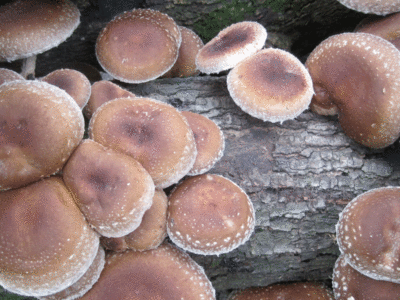
(Lentinula edodes) • Meet the Mushrooms
Edibility & Taste Shiitake mushrooms have a rich, savory, and umami-packed flavor with a slightly smoky, earthy, and buttery undertone. Their taste is often described as meaty and deeply satisfying, making them a favorite in vegetarian and gourmet dishes. When cooked, they develop a silky yet slightly chewy texture, enhancing their complex, roasted, and almost garlic-like aroma. Grows On Shiitake thrives on dense, non-aromatic hardwoods with good moisture retention. The following tree species are ideal: Oak (Best overall choice – high yield & longevity), Pecan, Walnut, Alder, Sweetgum, Maple (Hard Maples: Sugar Maple, Black Maple, Florida Maple), Ironwood (Hop-Hornbeam), Cherry (Black Cherry, Wild Cherry), Sycamore, Tulip Poplar, Eucalyptus, Chestnut, Ash, Birch, Bitternut Hickory, Willow These species are NOT recommended due to high resin content, natural fungicides, or low nutrient availability:
• Conifers (Pine, Cedar, Spruce, Fir, Cypress, Hemlock, etc.) – High in resins and antifungal compounds
• Fruit Trees (Apple, Pear, Peach, etc.) – Often contain antimicrobial properties
• Elm – Resistant to fungal colonization
• Hackberry – Poor growth results
• Sassafras – Natural antifungal compounds
• Soft Maples (Red Maple, Striped Maple, Silver Maple) – Less dense, decomposes too quickly
• Dogwood – Not suitable
• Black Locust – Extremely rot-resistant, poor fungal growth
• Beech – Slow decomposition and inconsistent fruiting
• Hickory (Shagbark, Pignut, etc.) – Too dense, slow to colonize