Thank you to the Upper Chartiers Creek Watershed Association for inviting me to lead their first fungi foray. Just under 30 people turned out to meander around Peter’s lake in search of fungi. Mike H, Julie T, and Dawn W helped lead the walk. Dry conditions made for plentiful polypores but some fall faithfuls made appearances, like many puffballs, Blewits, and Velvet foot. Species list entered by Jared White.
Take a deep breath. Now ask yourself—when was the last time I truly felt calm?
For many of us, stress has become the default setting. We wake up to alarms, scroll through a flood of bad news, juggle endless responsibilities, and crash into bed wondering why we still feel wired and exhausted at the same time. Anxiety isn’t just a personal issue—it’s become a cultural condition. This especially rings true for a person like me, a business owner, a single mom to an 11 year old, with multiple pets, a house to take care of every day, the garden to tend to, and meals to cook. The list goes on, and I know you relate to this too.
“Nature offers us tools—not to escape stress, but to respond to it differently.”
In a world where hustle is glorified and downtime feels like a guilty pleasure, it’s no surprise that our nervous systems are begging for support. According to the American Psychological Association, more than three-quarters of adults report experiencing physical symptoms of stress. That tension in your shoulders? The brain fog? The racing heart? It’s not just in your head—it’s in your biology.
But here’s the good news: we can take our power back. Nature offers us tools—not to escape stress, but to respond to it differently. By cultivating daily practices that nurture our nervous systems and bodies, we can begin to shift the tide. And among the most powerful allies in this journey are mushrooms.
Mushroom into a Better Future
In this article, we’ll explore not only the best mushrooms for easing anxiety and building resilience, but also how to pair them with other holistic practices—like journaling, intention-setting, and time in nature—to create a truly nourishing routine for modern life.
Why Are We All So Stressed Out?
We weren’t designed to live like this.
Our bodies evolved in a world of rhythmic cycles—sunrise and sunset, movement and rest, seasons of growth and retreat. Today, we live in a 24/7 society that rarely pauses. Emails ping at midnight. Social media scrolls endlessly. Work follows us home. The result? Our nervous systems are stuck in perpetual overdrive.
The stress response—also known as fight-or-flight—was meant to be temporary. It kicks in when we’re in danger, pumping adrenaline and cortisol through the body so we can respond. But modern life keeps flipping that switch with no off button. From traffic to financial strain, from doomscrolling to decision fatigue, we’re constantly reacting instead of regulating.
And when stress becomes chronic, it starts to change us. It affects everything from our sleep to our digestion, our mood to our memory. We feel wired but tired, overwhelmed yet unable to focus. Our bodies hold the tension, and our minds spin with worry.
Add to that a culture that often shames rest and glorifies being “busy,” and it’s easy to see why anxiety and burnout are at an all-time high. Many of us are functioning in survival mode, disconnected from the simple practices that could help us feel grounded, nourished, and whole.
But here’s the truth: stress isn’t the enemy. It’s the chronic, unmanaged kind that causes harm. When we learn how to listen to our bodies and support our nervous systems intentionally, stress becomes something we can work with—not something that runs the show.
Man relaxing under tree
That’s where daily practices and plant allies come in. Before we dive into the top mushrooms for anxiety, let’s look at a few foundational habits that can help you build resilience from the inside out.
Stress Relief is a Practice, Not a Quick Fix
In a culture obsessed with instant results, it’s tempting to look for a magic bullet—a supplement, a smoothie, a meditation app that will finally make the stress go away. But real relief isn’t found in a single product or practice. It’s built over time, through intentional daily choices that support your nervous system and gently rewire your response to stress.
Think of it like tending a garden. You don’t water your plants once and expect them to thrive forever. You check in daily. You notice what needs nourishment. You pull weeds, make space, and let sunlight in. Your mind and body deserve that same kind of care.
The thing is, you don’t need a full lifestyle overhaul. Tiny shifts, practiced consistently, can create massive change. Here are some tools I love—simple, science-supported habits that, when paired with medicinal mushrooms, can help you build a calm, resilient foundation:
1. Journaling
Writing down your thoughts and emotions can help process anxious loops and bring clarity to the chaos. Even five minutes of “brain dumping” can shift your state.
2. Meditation & Breathwork
These practices activate the parasympathetic nervous system—the body’s natural “rest and digest” mode. They’re proven to reduce cortisol and increase emotional regulation.
3. Time in Nature
A walk in the woods lowers blood pressure, eases mental fatigue, and reconnects you with rhythms beyond the algorithm. This is called forest bathing, and it’s legitimate medicine.
4. Daily Rituals & Intention Setting
Lighting a candle. Drinking tea mindfully. Saying out loud, “Today I choose ease.” Ritual creates rhythm. And rhythm helps soothe the nervous system.
5. Prioritizing Sleep
Lack of sleep doesn’t just make you tired—it amplifies stress, reduces your ability to cope, and worsens anxiety. Mushrooms like Reishi can help here.
Stress relief is a practice of remembering who you are beneath the overwhelm—and creating space each day to return to that place.
Into The Woods I Go, To lose my mind, and find my soul!
In the next section, we’ll explore how medicinal mushrooms fit into this toolkit—not as a cure-all, but as wise allies that help your body remember how to find balance.
How Mushrooms Help with Anxiety and Stress
When it comes to managing stress naturally, few allies are as fascinating—or as effective—as medicinal mushrooms.
These powerful fungi have been used for centuries in traditional medicine systems to promote balance, longevity, and resilience. What makes them so special? They’re adaptogens—natural substances that help the body adapt to physical, emotional, and environmental stress. Instead of forcing your body into a state (like caffeine or sedatives might), adaptogens work with your body to restore equilibrium.
Mushrooms as Nervous System Nourishers
Stress and anxiety are deeply rooted in the nervous system. When we’re overwhelmed, our bodies activate the sympathetic (fight-or-flight) response. Medicinal mushrooms like Reishi and Lion’s Mane help bring the parasympathetic (rest-and-digest) system back online—calming the body, sharpening the mind, and creating a greater sense of inner safety.
Some mushrooms are neuroprotective, helping regenerate and support the brain’s structure and function. Others help regulate cortisol (the primary stress hormone), soothe inflammation, or support the gut microbiome—which has a direct impact on mood via the gut-brain axis.
Science Meets Tradition
Modern research is catching up with ancient wisdom. Studies show that medicinal mushrooms can:
Reduce symptoms of anxiety and depression
Improve sleep quality and energy regulation
Support adrenal health and resilience under stress
Promote neurogenesis (growth of new brain cells)
Enhance mood and cognitive clarity
And unlike some fast-acting substances, mushrooms work gently and steadily—encouraging long-term balance rather than short-term sedation.
Mushrooms Are Not a Solo Act
While these fungi are powerful, they work best when paired with lifestyle practices like the ones we explored earlier. Think of mushrooms as the foundation—a steady, daily support that reinforces the work you’re doing with your breath, your rest, your rituals, and your healing intentions.
Relaxed man sitting on log in forest meditating in nature.
Up next, we’ll break down the top five medicinal mushrooms that science (and centuries of tradition) point to as the most effective for reducing anxiety and building stress resilience.
The Top 5 Mushrooms for Stress Relief (with Benefits & Science)
Not all mushrooms are created equal when it comes to managing stress and anxiety. Some specialize in calming the nervous system, others nourish the brain, and a few help regulate energy and immunity—so your body can handle stress more gracefully over time.
Here are our top five favorite medicinal mushrooms for stress relief, backed by research and rooted in centuries of traditional wisdom:
What it helps with: Sleep support, anxiety, tension, adrenal fatigue
How it works: Reishi is one of the most revered adaptogens for its deeply calming effects on the body and mind. It helps regulate the hypothalamic-pituitary-adrenal (HPA) axis, which is responsible for your stress response. It also supports GABA pathways—your brain’s natural brakes.
Scientific backing: Studies have shown Reishi may reduce symptoms of anxiety, support better sleep, and lower cortisol levels over time.
What it helps with: Brain fog, anxiety, mood swings, focus
How it works: Lion’s Mane stimulates the production of nerve growth factor (NGF), a protein that supports the growth and repair of brain cells. It’s been shown to ease mild symptoms of depression and anxiety by supporting cognitive function and emotional regulation.
Scientific backing: Clinical studies suggest Lion’s Mane can improve cognitive performance and reduce anxiety and irritability, especially in women undergoing menopause or people with mild cognitive impairment. [2]
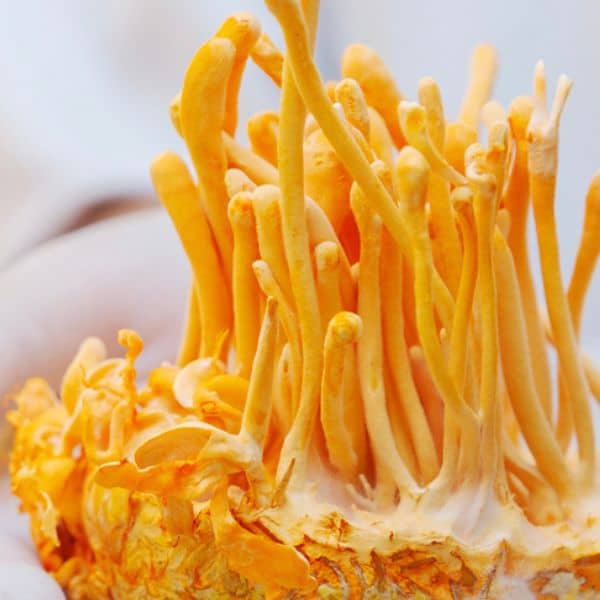
What it helps with: Fatigue, burnout, low motivation
How it works: Cordyceps helps improve the body’s oxygen use and energy production at the cellular level. It supports the adrenal glands and balances stress-induced fatigue without overstimulation (unlike caffeine).
Scientific backing: Research shows Cordyceps can improve energy, stamina, and stress resilience—especially in athletes and people under high physical or emotional demand. [3]
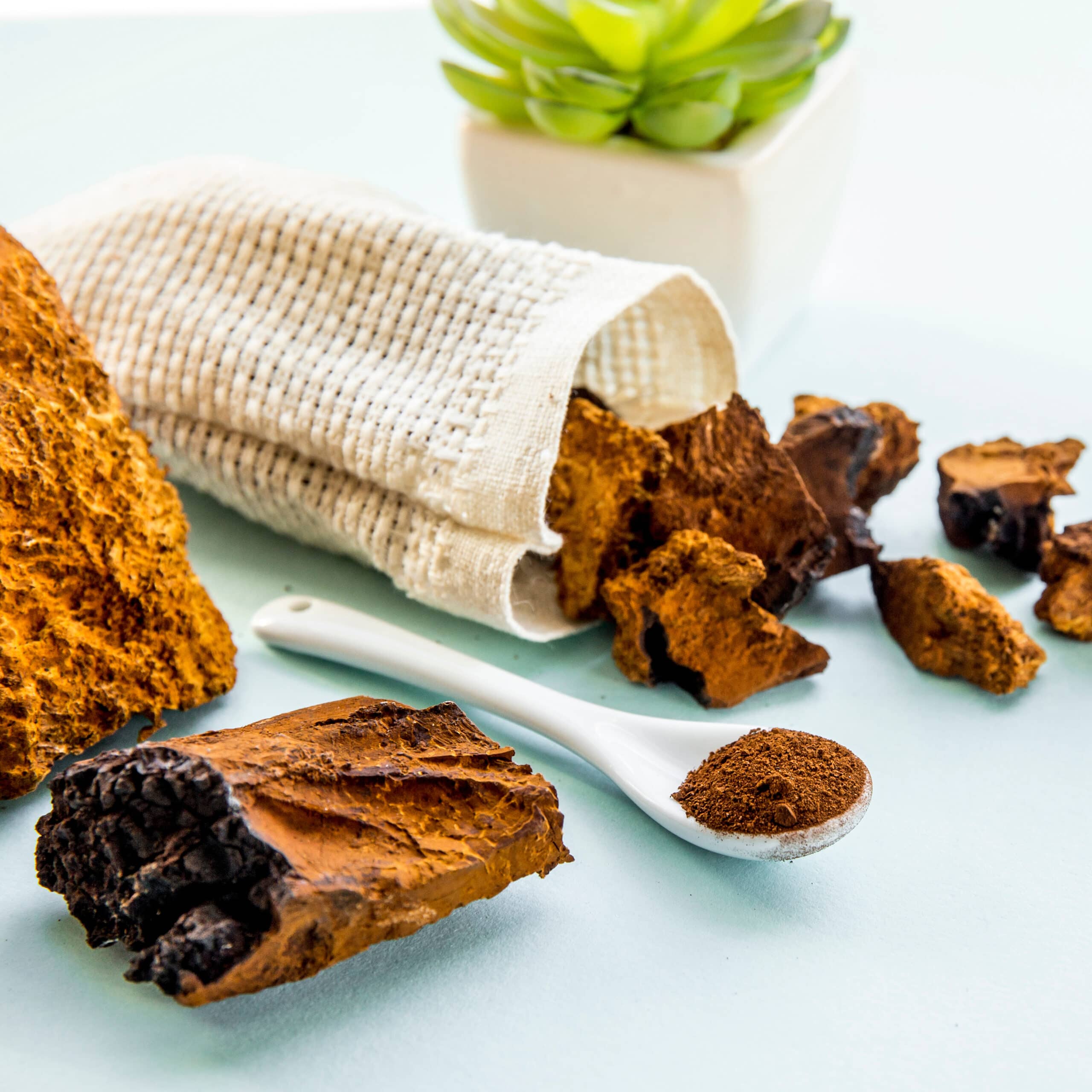
What it helps with: Inflammation, oxidative stress, gut-brain imbalance
How it works: Chaga is packed with antioxidants that help lower inflammation—a key contributor to chronic stress. It also supports the immune system and gut health, which are both tightly linked to emotional well-being.
Scientific backing: Chaga extracts have demonstrated neuroprotective and anti-inflammatory effects in animal studies, with promising results for supporting mood and resilience.
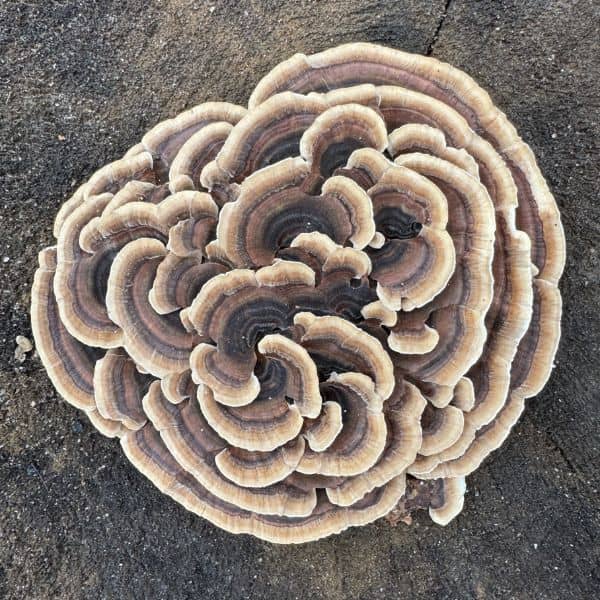
What it helps with: Immune stress, gut health, emotional resilience
How it works: Turkey Tail supports the microbiome, which plays a huge role in mood and stress regulation. It’s rich in prebiotic fibers and compounds like PSP and PSK, which also modulate immune response—helping reduce background “body stress.”
Scientific backing: Research highlights its immune-supportive effects and potential mood benefits via microbiota-gut-brain axis interactions.
Best time to take: With meals
Turkey Tail Mushroom
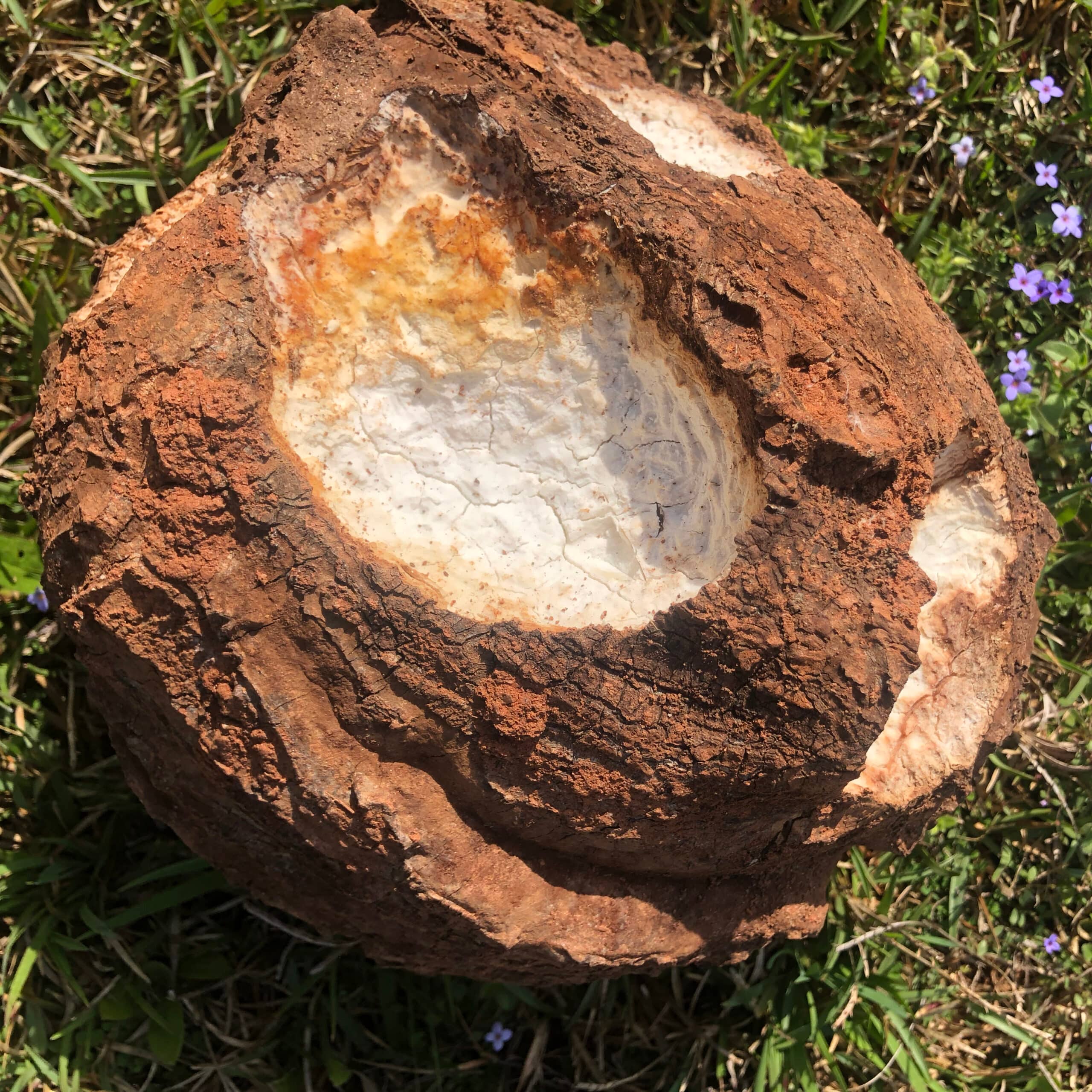
Bonus Mention: Poria (Poria cocos) A lesser-known but powerful mushroom used in Traditional Chinese Medicine for calming the spirit, easing worry, and promoting restful sleep—especially when anxiety is rooted in digestion or fluid imbalance.
Poria Mushroom
Up next, we’ll walk you through how to use these mushrooms in real life—whether you’re sipping tea, taking a tincture, or blending a daily extract into your wellness routine.
How to Use These Mushrooms
Once you know which mushrooms can support your stress response, the next question is: How do I actually use them? The beauty of medicinal mushrooms is their versatility—they can be taken in many forms to fit your lifestyle and preferences.
Extracts vs. Powders vs. Teas
Each preparation method has its own benefits. Here’s a quick breakdown:
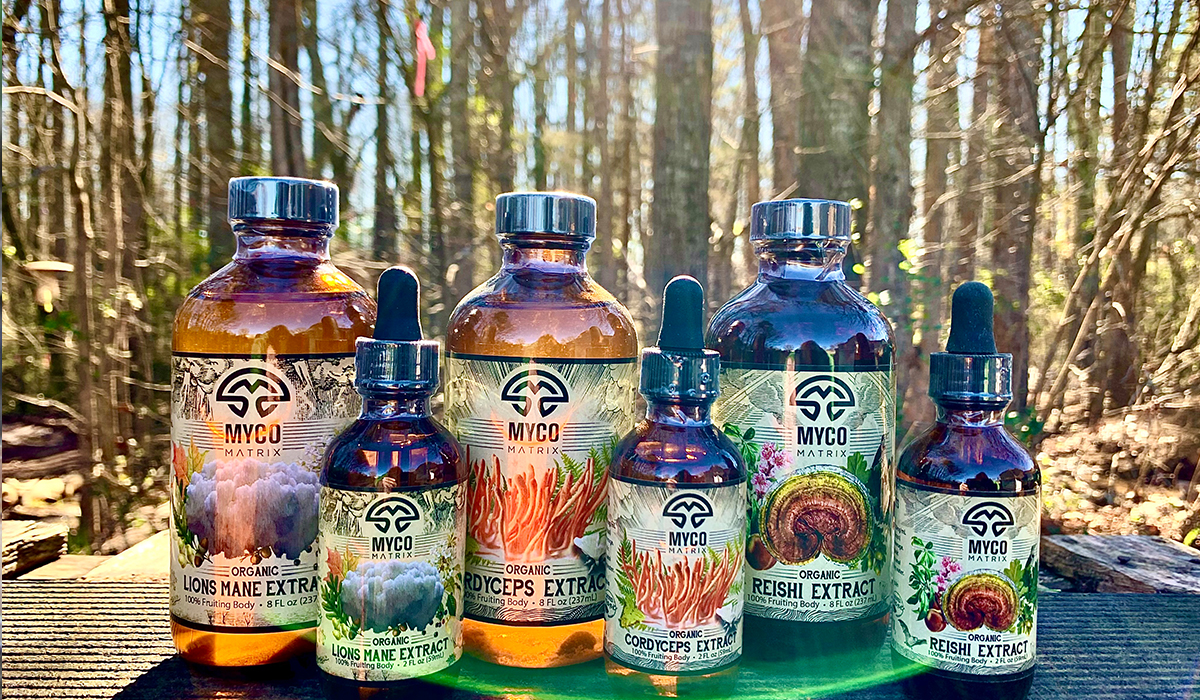
Dual Extracts (like Mycomatrix): These are alcohol + hot water extracts, which means you’re getting both water-soluble compounds (like beta-glucans) and alcohol-soluble compounds (like triterpenes). Dual extracts are highly bioavailable and ideal for stress support and long-term use.
Mycomatrix Adaptogenic Extracts
Powders: Great for blending into smoothies, coffee, or cooking. However, they’re often less potent unless they’ve been pre-extracted. Look for “extract powder” on the label.
Extracted Mushroom Powder
Teas & Decoctions: A beautiful and traditional way to connect with mushrooms, especially with whole dried fruiting bodies like Reishi or Chaga. Best when you have time to slow down and steep.
Woman holding a cup of tea
✨ Pro tip: Not all mushrooms are digestible in raw or unextracted form—especially tough ones like Reishi and Chaga. Extracts make them easier to absorb and more effective.
How Often Should You Take Them?
Consistency is key when it comes to adaptogens. These mushrooms don’t work like a sedative or stimulant—they build resilience gradually.
Daily use is recommended for best results.
You can cycle certain mushrooms (like Cordyceps) or pair them to match your needs (Lion’s Mane in the morning, Reishi at night).
Pay attention to how you feel—adjust timing and combinations based on your body’s response.
At Mushroom Mountain, we craft all of our Mycomatrix extracts using full-spectrum, fruiting body mushrooms. Our extraction process ensures you’re getting the maximum benefit from each species—no filler, no fluff, just pure mushroom power. Visit our website to find out more. You may also call us, and we can guide you through the discovery process of what extracts could be beneficial for you.
Whether you’re navigating anxiety, recovering from burnout, or just wanting to feel more steady in your day-to-day life, our extracts are designed to support your real-life rhythm—without adding more complexity to your wellness routine.
Mycomatrix Adaptogenic Mushroom Extracts
In the next (and final) section, we’ll share ideas for creating your own daily stress relief ritual—with medicinal mushrooms as a foundational part of your toolkit.
Create Your Daily Stress Relief Ritual
Now that you’ve met your mushroom allies and understand how they work, it’s time to weave them into your life in a way that feels natural, nourishing, and doable. This isn’t about perfection—it’s about building a rhythm of care that supports you, day by day.
Ritual idea: Add extracts to your coffee, tea, or smoothie. Take a few deep breaths. Write down three intentions or gratitudes. Ask yourself: What would support me most today?
This combo brings mental focus, energy, and resilience for whatever the day throws your way—without the crash.
Morning stretching sets the tone for your movement throughout the day
Midday: Ground and Reset
Instead of powering through stress, take a pause to recalibrate.
Ritual idea: Step outside. Sip a warm drink with your mushroom extract. Close your eyes. Breathe into your belly. Release tension from your shoulders and jaw.
Even a five-minute reset can make a huge difference in how you move through the rest of your day.
Ritual idea: Create a wind-down window. Turn off screens. Take Reishi extract in a warm herbal tea or elixir. Light a candle. Journal or stretch. Let stillness be enough.
This simple evening ritual helps signal to your nervous system that it’s okay to relax. Over time, Reishi can support deeper sleep and emotional resilience.
Nightly bed routines set the tone for the next day.
You Deserve to Feel Calm, Clear, and Resilient
The world may not slow down—but you can. With the support of medicinal mushrooms, intentional habits, and compassion for your own process, you can begin to build a life that feels grounded and sustainable.
Start small. Start where you are. Let the mushrooms meet you there.
In a randomized, placebo-controlled 28‑day study, healthy adults taking 1.8 g Lion’s Mane daily showed faster cognitive performance (Stroop task) and a trend toward reduced subjective stressfrontiersin.org+8pmc.ncbi.nlm.nih.gov+8health.com+8.
Another trial in menopausal women (500 mg, 4x/day for four weeks) showed significant reductions in anxiety and depression symptoms .
Cordyceps – Energy, Fatigue, & Stress Resilience
Adaptogenic properties of Cordyceps include balancing cortisol—raising it during stress and lowering it otherwise—to buffer fatigue and support endurance, as seen in long-distance cyclists medicalnewstoday.com+13procerahealth.com+13healthline.com+13.
Lab and animal studies also highlight its potential for improving inflammation, metabolism, and physical staminaverywellhealth.com.
Chaga – Antioxidant & Neuroprotective Effects
In vitro studies show Chaga extracts possess strong antioxidant and neuroprotective activity, protecting against oxidative damage thought to play a role in stress and cognitive decline .
It’s no secret that Bon Appétit editors cook a lot for work. So it should come as no surprise that we cook a lot during our off hours too.Here are the recipes we’re whipping up this month to get dinner on the table, entertain our friends, satisfy a sweet tooth, use up leftovers, and everything in between. For even more staff favorites,click here.
January 23
Vongole sans spaghetti
I like to take advantage of winter, when mussels, clams, and scallops are in their prime. I’ve been making one of my favorite pasta dishes, spaghetti alla vongole, sans pasta and just the vongole. Skipping the noodles makes this dish speedy, doable for a mid-week dinner, plus, the clams get to shine. Take a page from our well-rated recipe on Epicurious and zero in on step two. If you want it extra saucy, double the wine, just make sure you have some crusty bread on hand for dipping. —Hana Asbrink, deputy food editor
Loaded sweet potatoes
If you too are a toppings maximalist, let me direct you to my favorite snow day dinner: Kendra Vaculin’s Baked Sweet Potato Chaat. Each bite is creamy, tangy, spicy, and crunchy all at once. Sweet potatoes and chickpeas roast together in the oven while you chop up the herbs, red onion, jalapẽno, and citrus, and gather up yogurt, fried onions, chaat masala, and pomegranate seeds. When the oven timer dings, you get to top each potato to your heart’s content. I like to eat mine out of a large “blate” and reload my toppings at least once. —Kelsey Jane Youngman, senior service editor
Forget regular baked potatoes—these tender sweets loaded with chaat-inspired toppings make for a bright and flavorful vegetarian main (or colorful side dish).
When it’s bone-achingly cold outside, there is only one thing I want to eat: shepherd’s pie. I went with the very straightforward recipe from NYT Cooking. I liked that it called for half beef and half lamb (okay, we’re doing a shepherd’s pie–cottage pie combination here). I went extra heavy on the tomato paste, added a shake or two of Worcestershire, and I used more beef and lamb than called for because I am a growing boy. Did my mashed potato layer brown perfectly? No it did not, but the nice thing about shepherd’s pie is that, even when a few steps go wrong, it’s still pretty great. —Sam Stone, staff writer
Book club chili
I had to cook most of the food for my book club’s January meeting and my wife thought something spicy would match the satanic themes of the mid horror novel we read. So I went back to this chili from The Pub at North Coast Brewing Co. in Fort Bragg, CA. I started making my own version of this recipe over 15 years ago, with little tweaks here and there. I keep all the ingredients and add a pound of chopped tomatillos, a couple chopped serrano peppers, a can of black beans for extra body, and some dark brown sugar to taste (it ends too hot without it). I also cook it overnight on low in a slow cooker instead of just the measly hour recommended here. The results are not only an incredible depth of flavor, but pork shoulder that practically dissolves in your mouth. —Noah Kaufman, senior commerce editor
Cauliflower salad for Shabbat
On Friday nights I try to make something special for me and my kids—usually it’s Persian food, because that’s what I grew up eating on Shabbat with my family. A standard meal is usually Ghormeh Sabzi, khoresh, or kebab koobideh, that I serve with saffron rice and potato tahdig. Vegetable sides sometimes include eggplant or a simple tomato-cucumber salad, but this past Friday I tried this Roasted Cauliflower Salad With Feta and Dates. The salad is superbly easy to throw together: Roast cauliflower with slivered red onion and slabs of feta on a baking sheet, then toss it together with toasted pistachios, torn dates, greens, and a lively red wine and honey dressing. My kids don’t love arugula so I subbed in baby spinach; you could also bulk it out with a grain like bulgur wheat or quinoa. Vibrant, nutty, and sweet, I’ve already made it again. —Andrea Strong, contributing writer and editor
After a day of cooking in the Test Kitchen, I need something simple for dinner. I’m an admirer of Rosie Kellet’s recipes (her cookbook In for Dinner is a real winner), and loved making her miso butter soup. It starts with cooked rice, topped with a knob of butter. Then ladle over hot miso broth. I just mix white miso into chicken stock—absolutely not traditional, but it does the trick for those short on time. Finally, toppings! A jammy egg, which I happened to have from the other day (silken tofu straight from the package would be great too) and a scoop of kimchi. One could stop there, but since I had them, I added sliced radish and scallion, plus a shake of toasted sesame seeds. —Rebecca Firkser, Test Kitchen editor
In for Dinner: 101 Delicious, Affordable Recipes to Share
Baby cakes
I call them Baby Pancakes: one banana, one egg, a few spoonfuls of multigrain cereal, a pinch of baking powder, a sprinkle of ground cinnamon. Mix together with a fork, dollop in a hot, oil-slicked skillet, forming little cakes the size of a little fist. Adapted from 101 Before One, they are soft and mushy and extremely gobbleable, even if you have no teeth. My son loves them. —Emma Laperruque, director of cooking
Sunday morning bagels
While my colleague Jesse Szewczyk had an unlucky week (his social video shoot for Homemade Bagels had to be rescheduled), mine was lucky (he sent me home with the dough he’d already prepped). One man’s trash is another man’s treasure! And with his help, the process couldn’t have been easier for me to complete on a lazy Sunday. I cut the dough into 12 equal portions, shaped them on a work surface, let them, and poked holes in the center. Then I boiled the bagels in water mixed with baking soda and sugar (no lye here) and showered them with a few different seasonings: poppy seeds, za’taar, sea salt, and, my favorite, furikake. —Nina Moskowitz, associate editor, cooking
Crusty, chewy, and actually easy. No lye or barley syrup needed.
For a last-minute dessert, for an easy breakfast pastry, or for 3 p.m., because you deserve it: These are the times to make my colleague Shilpa Uskokovic’s Easy-Fancy Pear Galette. The recipe features frozen puff pastry and canned pears (essentially poached pears without the work). Beneath the pears is a hidden layer of almond cream, made not from blitzing nuts in a machine, but just by whisking almond flour with eggs, sugar, and a few other pantry essentials. It’s equally delicious warm, topped with melting vanilla ice cream, as it is placed on a bed of honey-sweetened Greek yogurt. And a slice eaten out of hand as you head out the door? You may never buy a coffee shop almond croissant again. —Joe Sevier, senior editor, cooking and SEO
Canned pears, a simple almond cream, and store-bought puff pastry make this pear galette recipe feel sophisticated but entirely doable.
I had some potatoes leftover from my holiday cooking, so I decided to make associate cooking editor Nina Moskowitz’s Classic Potato Latkes. I’ve tried many recipes, and these are the crispiest version imaginable. Potato starch is what ensures golden edges (with an audible crunch!) and a fluffy center. Sour cream and applesauce are traditional accompaniments but you can sub in Greek yogurt or your favorite chutney, add some chili crisp or hot sauce, or serve them alongside your morning eggs. —Jaia Clingham-David, former research fellow
It seems like the internet is caught in an Ina Garten loop right now—her Brownie Pudding has reached true virality. After watching video after video with my sibling, we were peculiarly craving a dessert we’d never had before, so, naturally, we had to make it. Scribbling down adjustments on a sticky note, we corrected the yield to serve two. Instead of using an electric mixer to beat the egg and sugar together until pale (a step that guarantees a soufflé-like crackle), we whisked by hand, taking turns when one of us got a cramp. A little flour, cocoa powder, and butter later, and it was ready for the water bath and oven. Crisp, gooey, and molten, the recipe was absolutely worth the hype. —Nina Moskowitz, associate editor, cooking
A maximalist dinner party
We had some friends over for dinner and I made all sorts of dishes. Arguably too many. Crudités with romesco. Cheesy walnut gougères. Double-mushroom galette. A big salad with fresh horseradish grated on top (try this). An oversized crème brûlée. Excellent, each one! But the thing I keep thinking about is the app I added last-minute, when I became convinced there wasn’t enough food. (My husband thought I was joking. I was not.) Oeufs mayonnaise: Boil eggs (I like 10 minutes for a firmer yolk). Peel. Slice in half. Dollop with a mix of mayo and Dijon mustard. Plunk a cornichon on top. Voila! Utterly chic for a gathering, yet easy enough for a desk snack. —Emma Laperruque, director of cooking
Umami lovers rejoice. This savory vegetarian mushroom galette recipe features mushrooms two ways: in a rich duxelles-style spread and scattered over the top.
This oversized crème brûlée is far easier to make than individual ones. The crackly top is created from sugar caramelized with a blowtorch, not a broiler.
New year, new waffle maker! Finally equipped to make my breakfast dreams come true, I set about mixing up food director Chris Morocco’s Yeasted Waffle batter. Tangy buttermilk and instant yeast give the recipe a complex, bready taste, and an overnight rise makes for both a simpler morning and perfectly crisp waffles. My family adds nutmeg to nearly every baked good we make, so I did add a few grates of the warming spice, along with a splash of vanilla extract, to my batter. We went in a butter, syrup, and berries direction (versus Chris’s savory eggs and chili crisp suggestion) and were delighted by the lightly crunchy shell and eggy interior of each waffle. A 10/10 rating for holding pools of salty butter and juicy blueberries without immediately going soggy. —Kelsey Jane Youngman, senior service editor
Thai roast chicken thighs
After over four years of tasting all sorts of chicken recipes in the Test Kitchen, this one from cookbook author Diana Yen is an uncontested favorite. It’s always highly requested by my parents, so we made it as our first home cooked dinner in the new year. The chicken thighs marinate in coconut milk, lime juice, and fish sauce and roast in the same pan with cabbage—this time around, we used a mixture of baby bok choy and kale to empty out the fridge. Delicious at its core, you’ll want to spoon up every last drop of the sauce with rice. But taste aside, it’s worth making alone for the coconutty, aromatic smell that’ll perfume your entire kitchen. —Kate Kassin, editorial operations manager
This single skillet, weeknight riff on Diana Yen’s favorite Thai rotisserie chicken packs coconut milk, lime juice, and fish sauce for plenty of umami.
Looking at the publication date on food director Chris Morocco’s Loaded Sweet Potatoes made me realize I’ve been making this recipe regularly for seven years. If that isn’t a ringing endorsement! For such a simple list of ingredients (sweet potatoes, lentils, citrus, nuts, feta, cilantro), there is truly outstanding earthy-sweet flavor. Chris uses peanuts, but I’ve made the toasty dressing with walnuts, hazelnuts, pistachios, almonds, and even sunflower seeds—all are wonderful. —Rebecca Firkser, Test Kitchen editor
We like to roast the sweet potatoes ahead of time then rewarm them by flattening and crisping them in a skillet until lightly charred.
Quick, veggie-heavy stir-fries are on constant rotation in my house. I usually improvise one for dinner at least three times a week. But I never thought to add leftover cranberry sauce until senior Test Kitchen editor Jesse Szewczyk, started developing this Sweet-and-Sour Cranberry Chicken Stir-Fry for our Thanksgiving issue. He uses the jellied variety to create a speedy, glossy glaze for green beans and chicken, along with garlic, ginger, and sesame oil to balance out all that tang with grounding savory flavor. Well, folks, it’s a winner. And it took me less than a half hour to make, like every good weeknight dinner should. —Kelsey Jane Youngman, senior service editor
Salad Freak by Jess Damuck is one of my most used cookbooks by far. It is organized intuitively—which is to say, by season. There is burrata with peas and preserved lemon in the spring; charred corn with Halloumi cheese and chili crisp in the summer; kabocha with purple cabbage and fish sauce in the fall; and, the one I fantasize about all year, chicories with citrus and turmeric-tahini in the winter. That’s what I made last weekend, as a feel-good dinner to cap off a day spent eating raclette, raclette, and more raclette with friends. It’s bitter from the crisp leaves (I used endive in lieu of radicchio), full of juicy citrus, and amenable to whatever nuts and seeds you have around (this time, I did toasted pecans and sunflower seeds). A total delight. And one of the rare things that makes me look forward to winter. —Emma Laperruque, associate director of cooking
Salad Freak: Recipes to Feed a Healthy Obsession
Braising on a weeknight
Whenever somebody asks me what my favorite thing to cook is, my answer is always the same: anything braised. Cozy and hands-off, it’s the perfect technique to call on whenever the temperature drops below freezing. So on a frigid night this week, I made my colleague Shilpa Uskokovic’s Creamy Cider-Braised Chicken and Leeks. Chicken legs are not only a cheap cut of meat, but one that’s prime for slow cooking—after just 40 minutes in the oven, the meat becomes tender and shreddy. Cooked in a tangy-sweet apple cider sauce bolstered with crème fraîche, you’ll want crusty bread for dipping. —Jesse Szewczyk, senior Test Kitchen editor
A combination of creamy sauce and tender cider-braised chicken makes this a comforting dish equally ideal for a weeknight dinner or a special occasion meal.
Looking for a crowd-pleasing dish to make for a holiday party, I turned to deputy food editor Hana Asbrink’s Sticky Chocolate Cake, an amazingly gooey decadence that reminds me of a molten lava cake. The nutty brown butter complements rich cocoa and bittersweet chocolate, creating an impressively complex flavor. Paired with my friend’s batch of coquito, this cake made for a stunning holiday treat. —Jaia Clingham-David, research fellow
In the Venn diagram of chocolate bakes, this recipe falls squarely in the middle of where brownie, molten chocolate cake, and chocolate soufflé meet.
At the start of a new year, some of us may be tempted to restrict our diet, perhaps even cutting out entire food groups. Here at olive we believe in quite the opposite; starting January nourishing ourselves with a diversity of whole foods, including healthy fats, whole grains and plant sources of protein.
The good news is when you eat a largely plant-based diet, you can increase your portion sizes, due to plant foods tending to be less calorie-dense than animal products. This means you can happily fill up your plate with a rainbow medley of fruit, veg, grains, nuts and more. Below you will find our most wholesome and hearty plant-based recipes to keep you feeling your absolute best as we transition into the new year and beyond.
Who doesn’t love a one-pot? This one brings together brown basmati rice, parsnips and kale with plenty of warming spices plus pomegranate seeds and coriander for bursts of freshness.
Skip the takeaway and make our vegan take on the Sichuan classic. To boost the fibre and plant points of this recipe – and keep you fuller for longer – I’ve used wholegrain rice rather than white, and added in some tinned red kidney beans.
This 30-minute dinner is a real winner for weekdays, and with the charred vegetables it’s even special enough to serve to guests. Swap the courgette for a winter green such as kale and simply stir through the pasta and sauce to wilt.
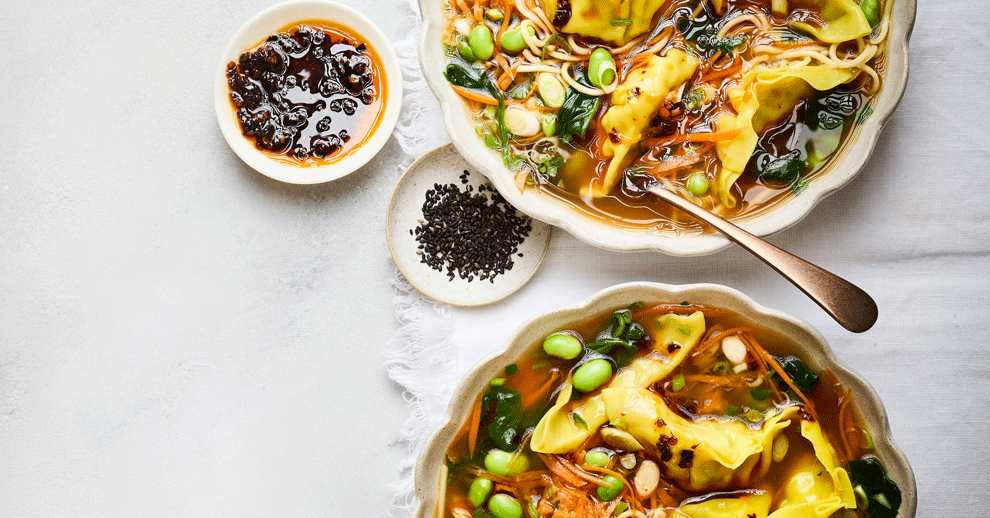
Another weeknight star, this noodle soup is a cosy hug in bowl. Use up whatever leftover veg your have in your fridge to boost the plants even further.
Get your day off to a nourishing start with this veg-packed shakshuka. If you want to make a fully vegan version (with extra plant points, too) you can blend a block of silken tofu with ½ tsp of turmeric, 1 tbsp of nutritional yeast and seasoning to use in the place of eggs. For extra nourishment, I’ve added in half a chopped red pepper, a few handfuls of spinach and wholewheat bread instead of white.
Add a tin of drained chickpeas into your curry for the last few minutes of cooking for plant fibre and protein, as well as a big handful of both spinach and kale. A squeeze of citrus helps your body better absorb the iron from the spinach and you can also leave the skins on your potatoes for extra fibre, plus swap the white rice for your favourite wholegrain.
Finish this wholesome bowl with a sprinkling of both white and black sesame seeds for an additional two plant points. You can also add in a tin of chickpeas when roasting your cauliflower and carrots for more protein and fibre.
If you want to make a plant-packed, plant-based batter, whisk chickpea flour with soy milk to achieve the thickness of an eggy batter. Then stir in the seasonings as below. Use wholewheat seeded bread rather than regular white for extra fibre, then top with sliced avocado for even more plants.
Treat yourself to a colourful brunch with a stack of these vibrant pancakes. After making your pancake batter, divide it into three equal portions. Add a couple of handfuls of spinach into one, roughly 30g of grated carrot into another and then 30g of chopped cooked beetroot into the last one. Blend each of them until you have a smooth batter, then cook your pancakes as written in the recipe.
We’re certainly not skipping dessert this month! For an extra dose of protein, plus iron, calcium and magnesium, add a block of silken tofu in with the avocado at the start. Blend until really creamy then follow the recipe as written. Top with a mixture of toasted nuts and winter berries (such as cranberries) for even more plants.
“Beans have had a bad reputation and been the butt of playground jokes for years, but these storecupboard staples are no longer the ingredient we snigger at – they’re an affordable, flavour-building, fibre-rich powerhouse with the ability to nourish us and the planet. As this month’s deep-dive shows, beans are exceptionally good for soil health, and vastly under-eaten in the UK. That’s why we’re championing them as a versatile ingredient that works as well in pasta bakes as it does in brownies.
And, last month, we shone a light on women’s health, so this issue, we’re doing the same for men, looking at what to eat to stay fit and well. Whether it’s beans, better habits or resourceful small producers, this month is all about rethinking what good food looks like, and why it matters...”
Save time and money with our easily scalable recipes for green chilli chicken pot pies, malty NYC-style chocolate chunk cookies, tomato & lentil soup and more to keep your well freezer stocked for busy days.
2. Good mood food
Dr Chintal Patel shares which foods to add to your plate to help boost your mental wellbeing – plus the culprits that could be making you feel worse.
3. Globe-trotting tray bakes
Content creator and best-selling author John Gregory-Smith shares three global-inspired oven-baked dinners, from Persian-style rice to a spicy nduja cannelloni.
4. Cook in season
Make the most of end-of-winter forced rhubarb, brussels sprouts and purple sprouting broccoli with our seasonal salads, an Alpine-inspired side and a beautiful bake.
5. Next level steak frites
Perfect the bistro classic at home this Valentine’s Day with Barney’s restaurant-quality recipe – including top tips to ensure a foolproof result.
Become a confident cook with a range of meal plans, exclusive recipes, tutorials and celebrity chef takeovers. To download the app, search for Good Food on your app store and download your ad-free cooking companion today.
Looking for fuss-free, flavour-packed meals that fit into your busy life? Easy Cook is the UK’s best-value food magazine, packed with 100+ recipes every issue – from speedy midweek suppers and budget-friendly family favourites to brilliant bakes and fresh seasonal ideas.
Right now, you can enjoy a whole year of Easy Cook for only £5 for 5 months– that’s just £1 an issue, saving you 80{5b2a6a22cd0374987e384412a772b4760a6ccedd3fa74ed0c8373b5fd99525f8} on the shop price.
Whether you’re cooking for one, feeding the family, or just after new inspiration in the kitchen, Easy Cook makes meal planning simpler, smarter and more delicious.
Subscribe today and start cooking with confidence – all year long!